This sample archive brings together a selection of samples and prototypes developed in our workshop through different R&D processes and professional projects.
It is not a fixed catalogue: it is a living archive that shows real possibilities in structure, density, colour reading and textile behaviour.
All the different handweaving techniques, structures and weave constructions have one thing in common: they can generate very different textiles depending on five main variables.
By changing just one of these variables, the resulting textile becomes different, not only in its visual appearance but also in its behaviour. Each family includes some of the samples we have created by modifying one or several of these variables.
Each sample responds to specific decisions — weave structure, fibre, density and finish. If you need a specific direction, we work from your requirements to develop your project. You can see how we work here, Textile Development R&D.
The samples are organised by technical families. Within each family, you will see variations in density, fibre, texture and colour to show the different possibilities.
We have selected three examples. If you are interested in a specific sample, we can develop it further, adjust it or use it as a starting point for your project.
They are grouped into the following families:
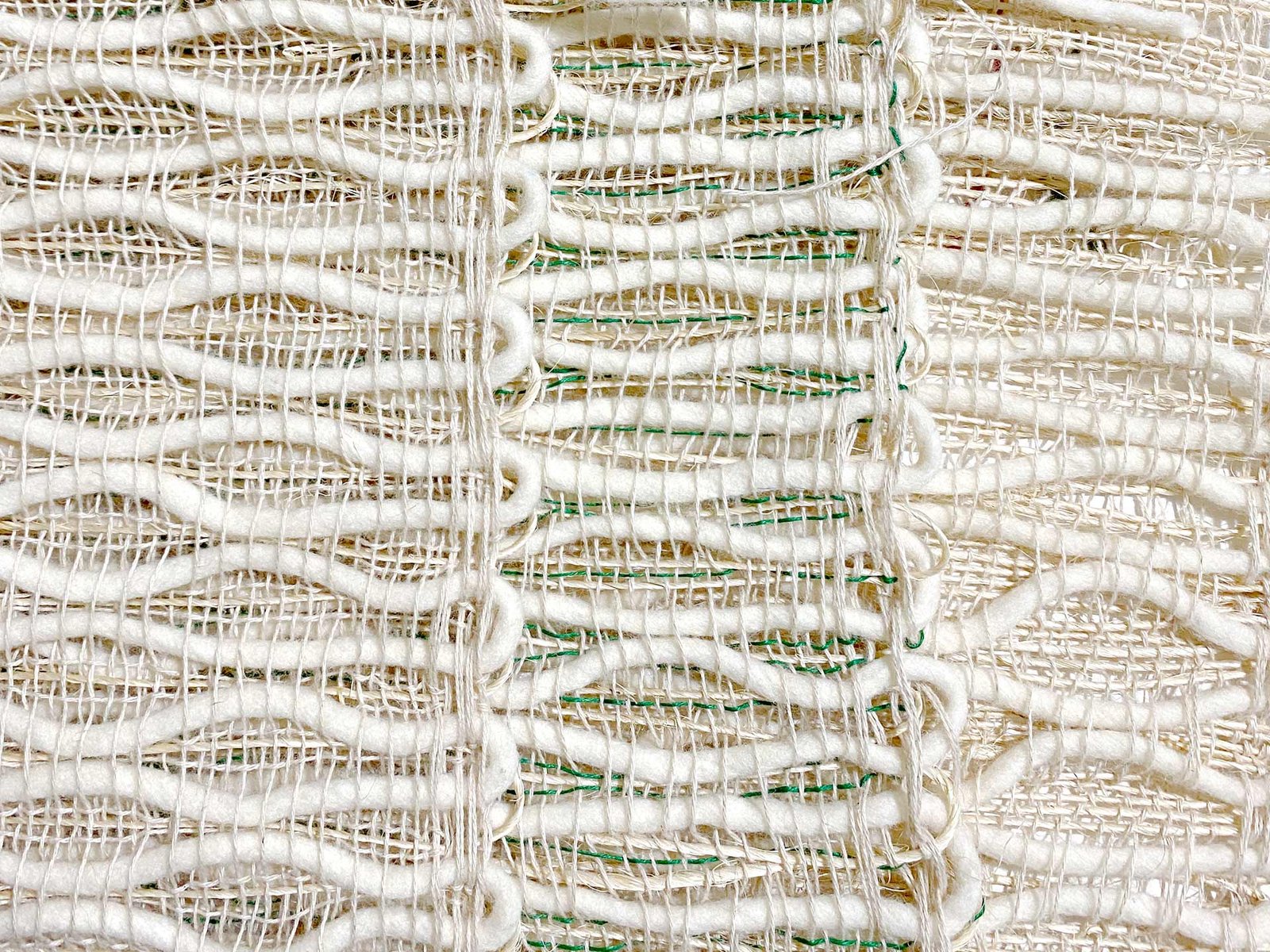
This weave structure is one of the basic techniques which, depending on the type of fibre, requires a high degree of tension precision. It makes it possible to create apparently simple textiles that can become highly sophisticated through the combination of colour, fibres, yarns and textures.

Fibre: natural alpaca
Structure: plain weave
Suggested use: fashion / home
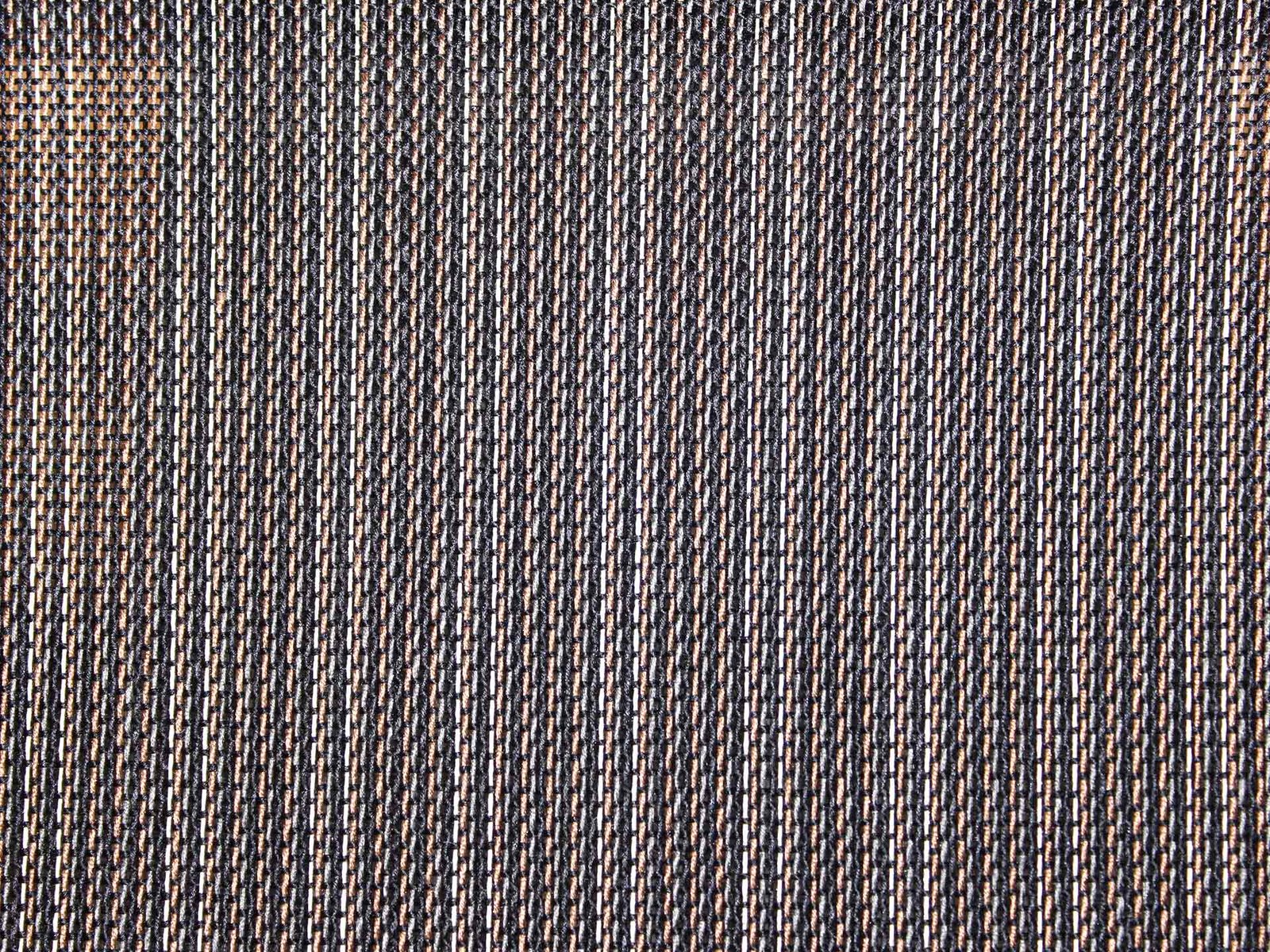
Fibre: natural silk
Structure: plain weave
Suggested use: fashion / home

Fibre: natural wool
Structure: plain weave
Suggested use: fashion / home / wall piece
Twill is another of the three basic weave structures, easily recognised by the characteristic diagonal lines that shape its surface. Depending on the fibres, it allows for highly versatile textiles with a semi-elastic quality in the diagonal direction.
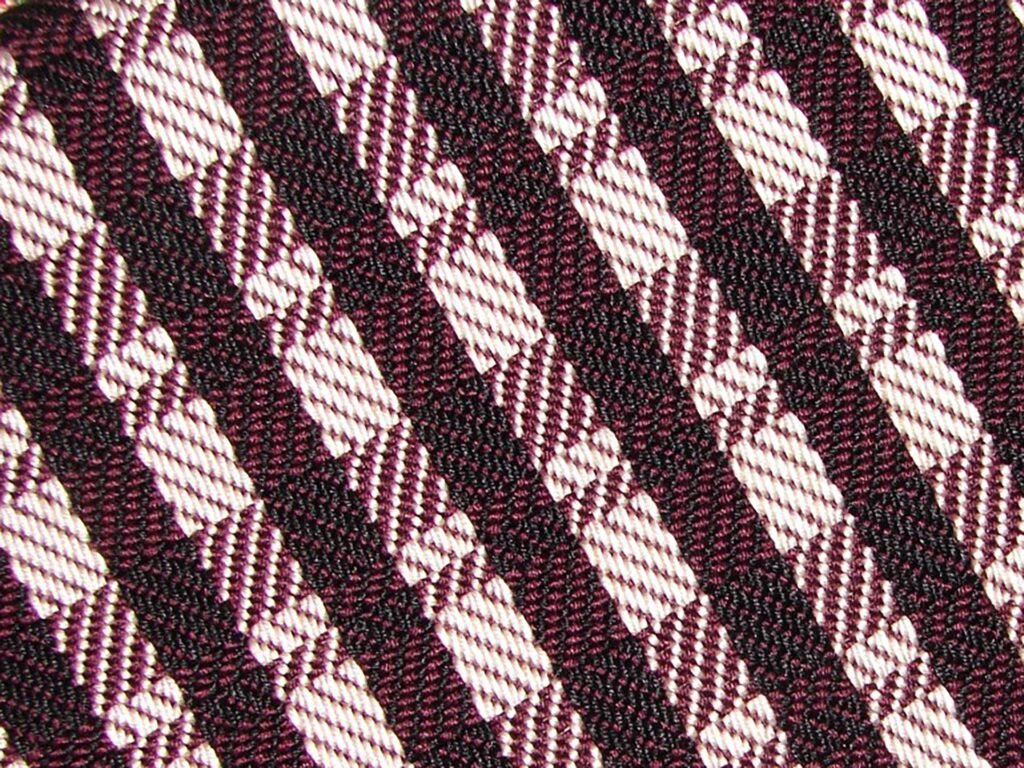
Fibre: natural silk
Structure: twill
Suggested use: fashion / home / wall piece
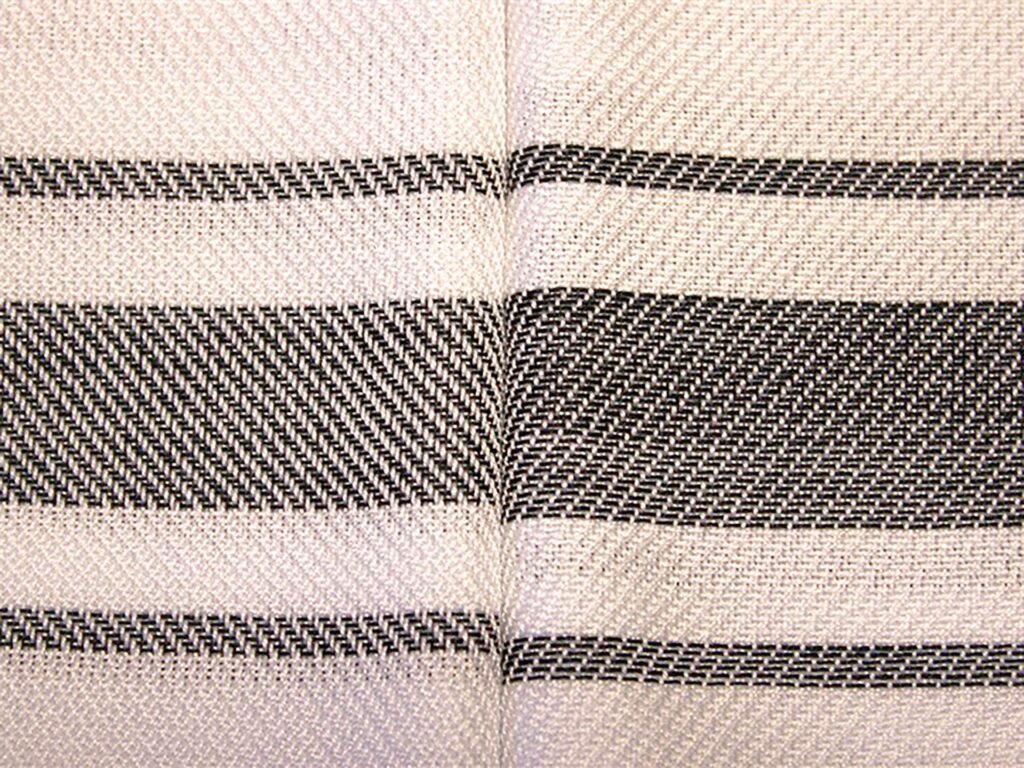
Fibre: mercerised cotton
Structure: twill
Suggested use: fashion / home
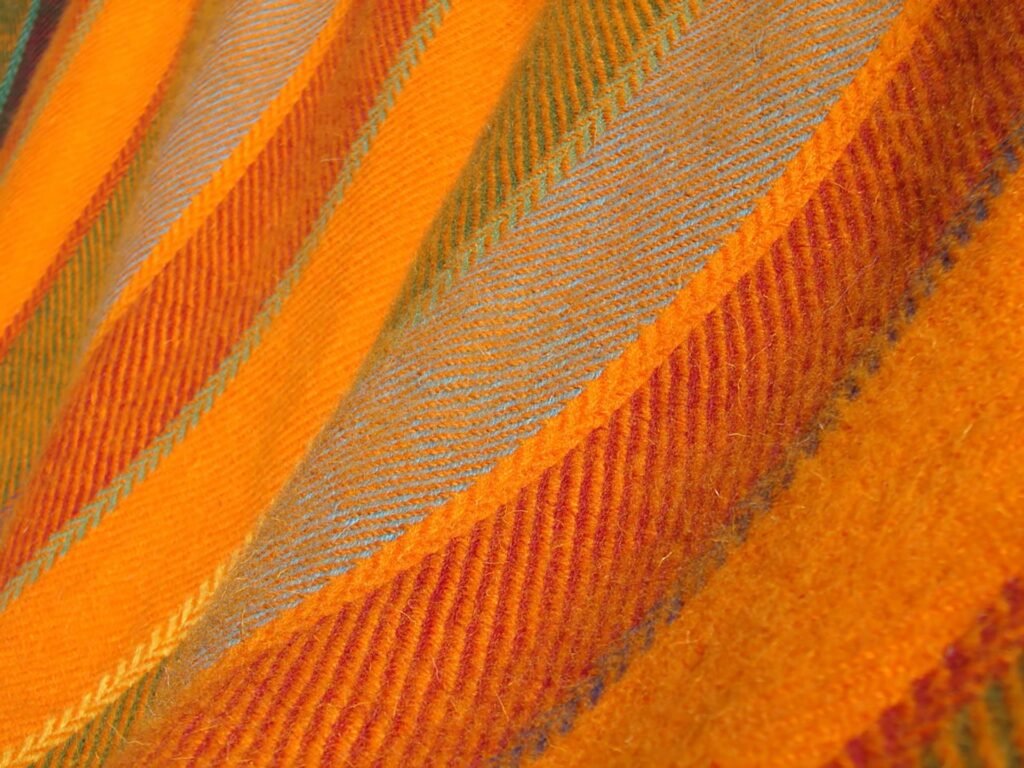
Fibre: natural wool
Structure: twill
Suggested use: fashion / home / wall piece
The twill structure allows for endless variations and combinations depending on its design and number of shafts. From the basic version woven on 4 shafts to more complex structures woven on up to 16 shafts in our workshop. This makes it possible to create very different effects, rhythms and behaviours, each with its own language.

Fibre: natural linen
Structure: twill derivative
Suggested use: fashion / home / wall piece

Fibre: natural merino wool
Structure: twill derivative
Suggested use: fashion / home / wall piece
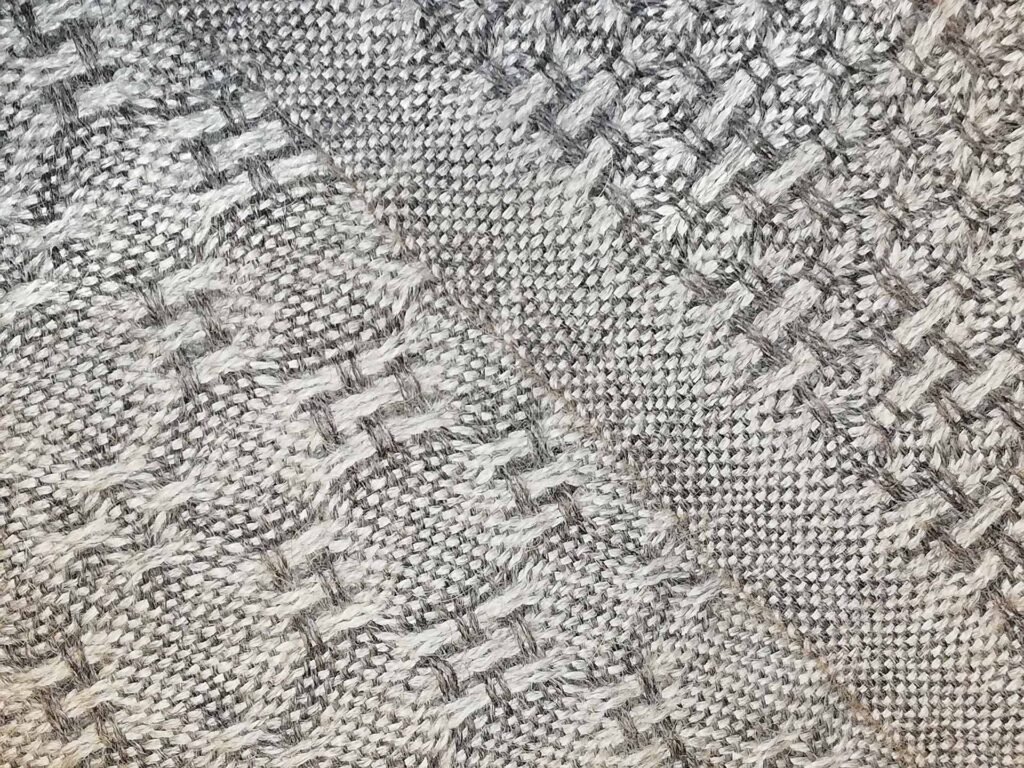
Fibre: natural alpaca
Structure: twill derivative, lace effects
Suggested use: fashion / home
Through our knowledge and mastery of different handloom weaving techniques and structures, and of the behaviour of different natural fibres, we can create textiles with very varied textures, from very subtle surfaces to highly textured fabrics such as three-dimensional weaving.

Fibre: natural merino wool
Structure: subtle 3D
Suggested use: fashion / home / wall piece
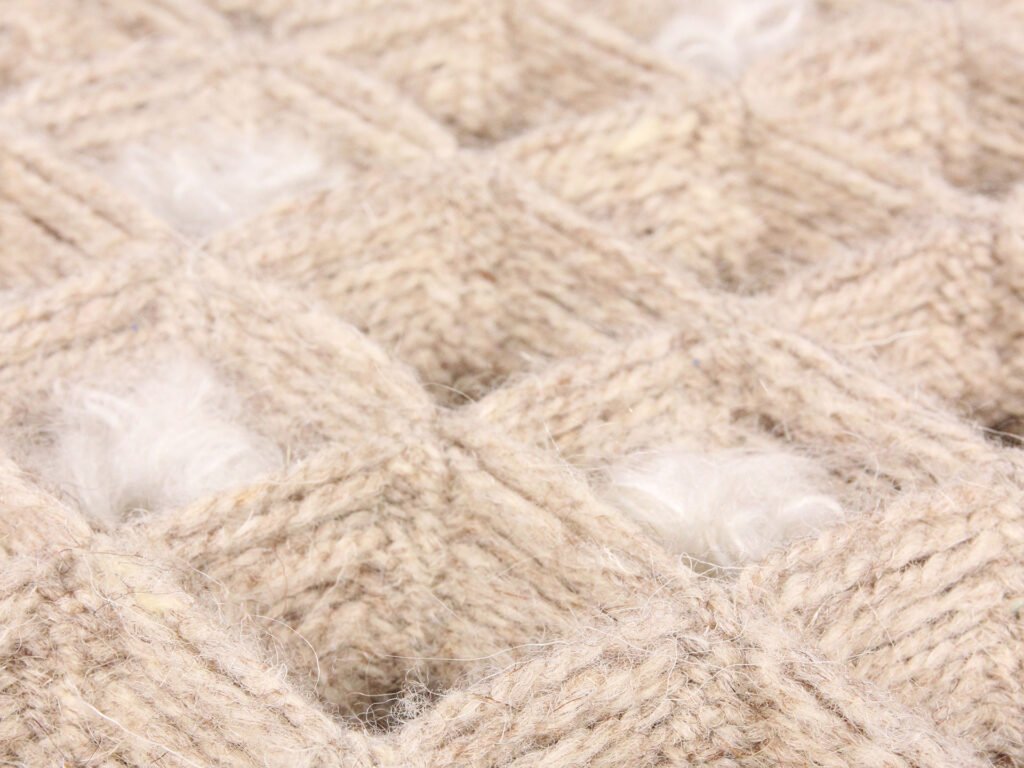
Fibre: natural wool
Structure: extra-high 3D
Suggested use: fashion / home / wall piece
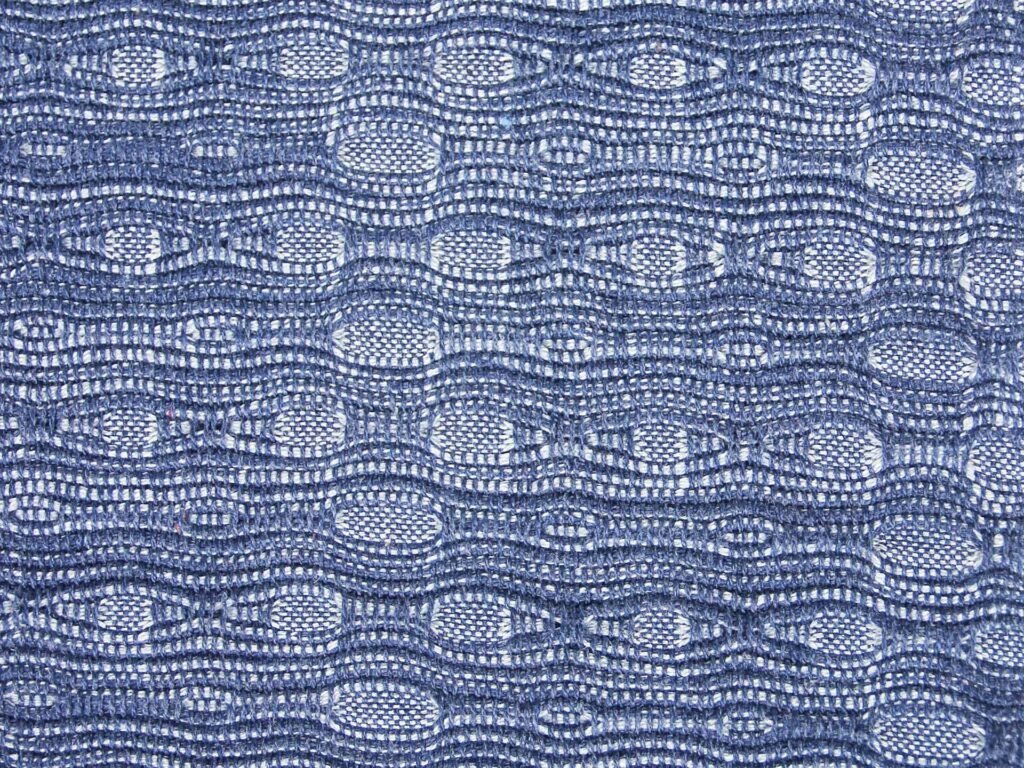
Fibre: recycled denim cotton
Structure: honeycomb
Suggested use: fashion / home / wall piece
The double-layer weaving technique makes it possible to create each layer at the same time with different designs, combining textures, colours and geometric figurative elements. It also allows for connected or independent layers, layers joined on one side, or circular textiles.res.
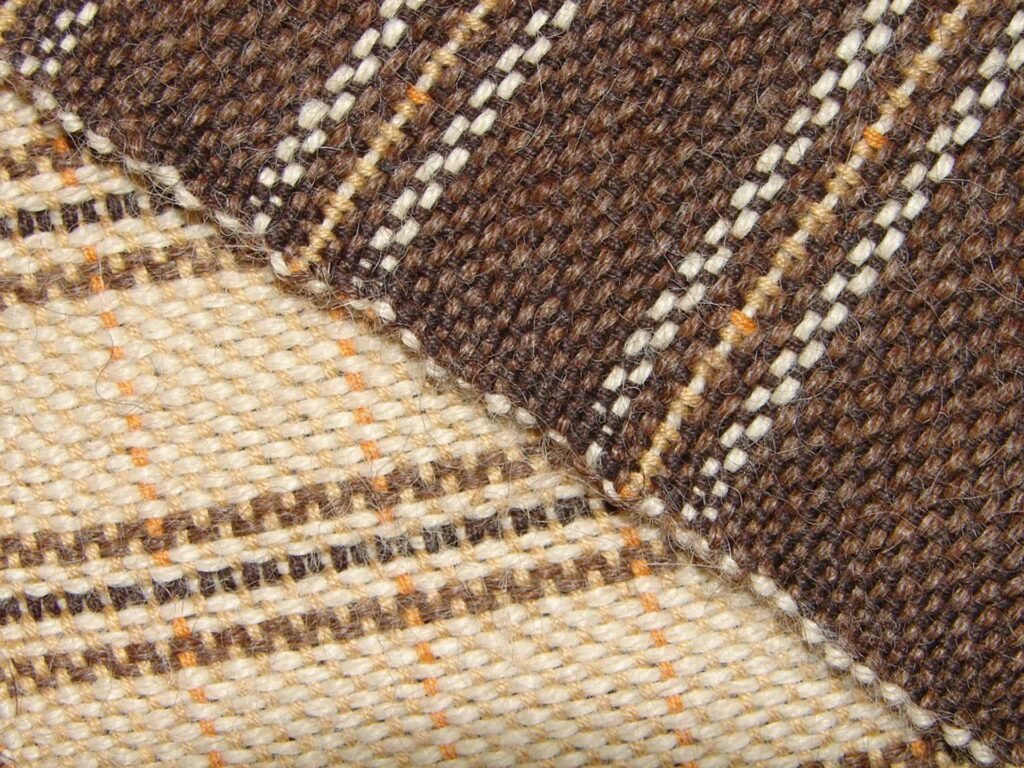
Fibre: natural alpaca
Structure: double weave
Suggested use: fashion / home / wall piece
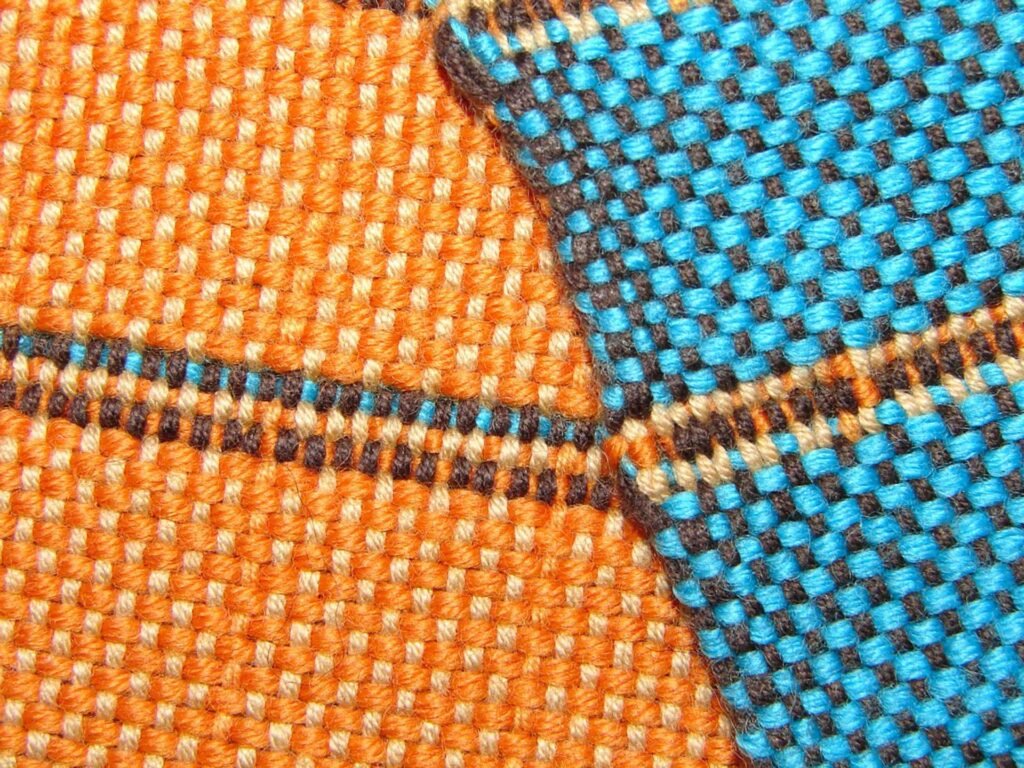
Fibre: natural cotton
Structure: double weave
Suggested use: fashion / home / wall piece
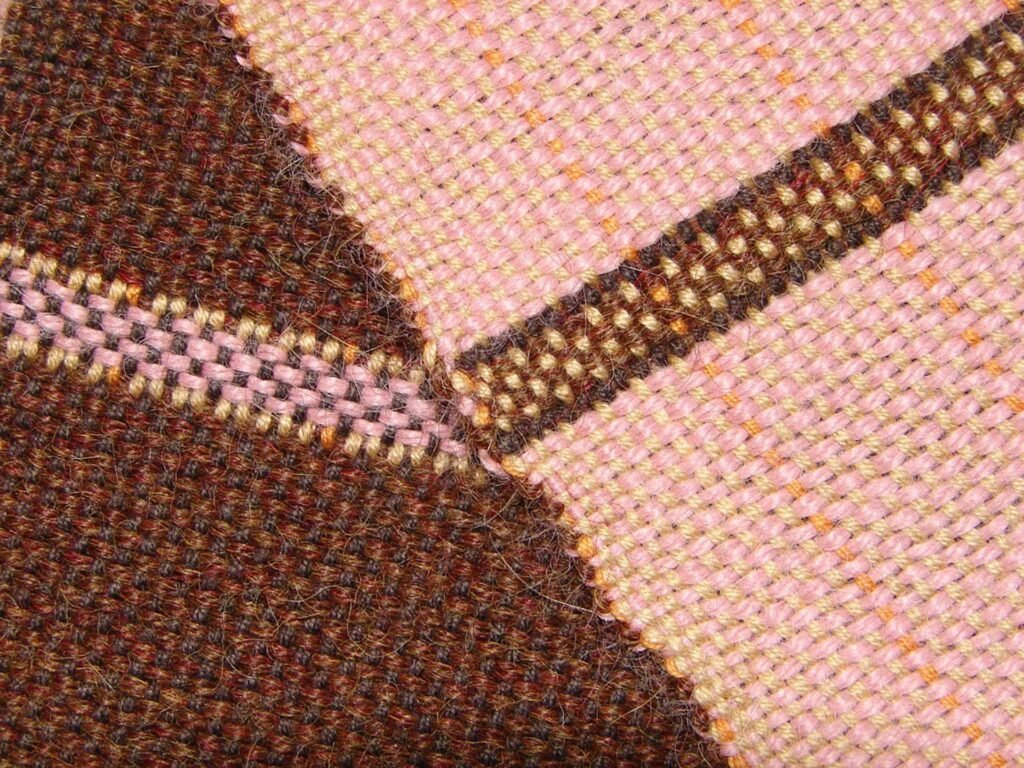
Fibre: natural wool and cotton
Structure: double weave
Suggested use: fashion / home / wall piece
This family brings together structure, fibre, colour and density tests developed as prototypes. They are applied research samples that allow us to measure real behaviour, study combinations and validate decisions before taking a project to the final textile.
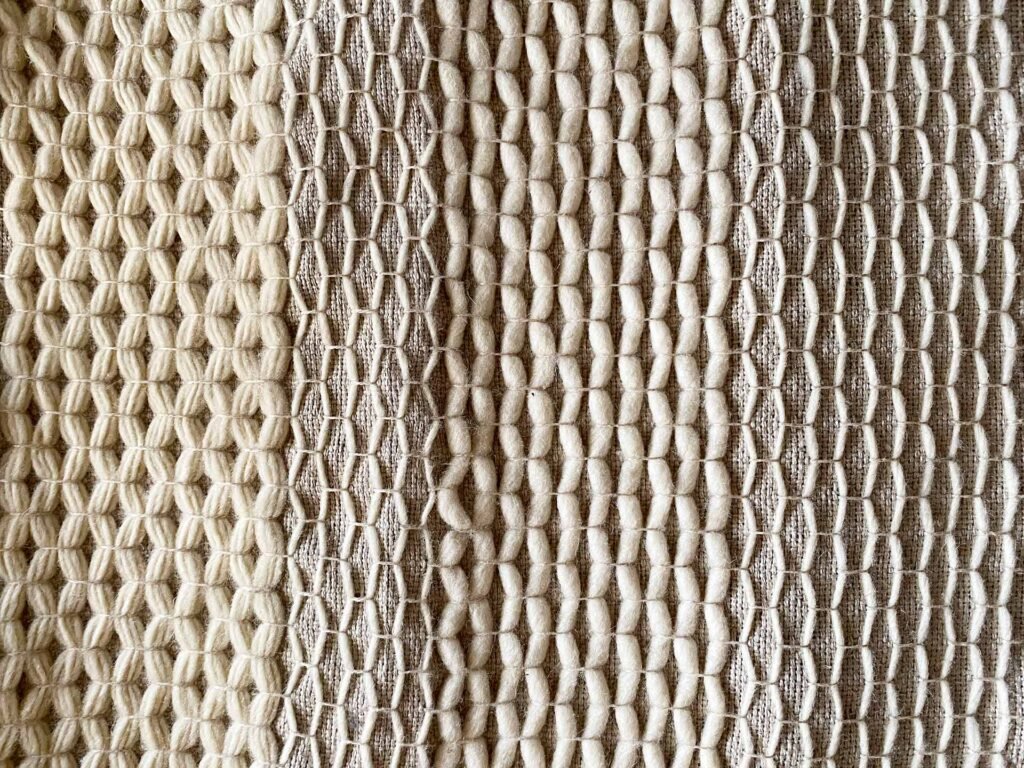
Fibre: natural cotton and wool
Focus: study of wool textures
Suggested use: fashion / home / wall piece
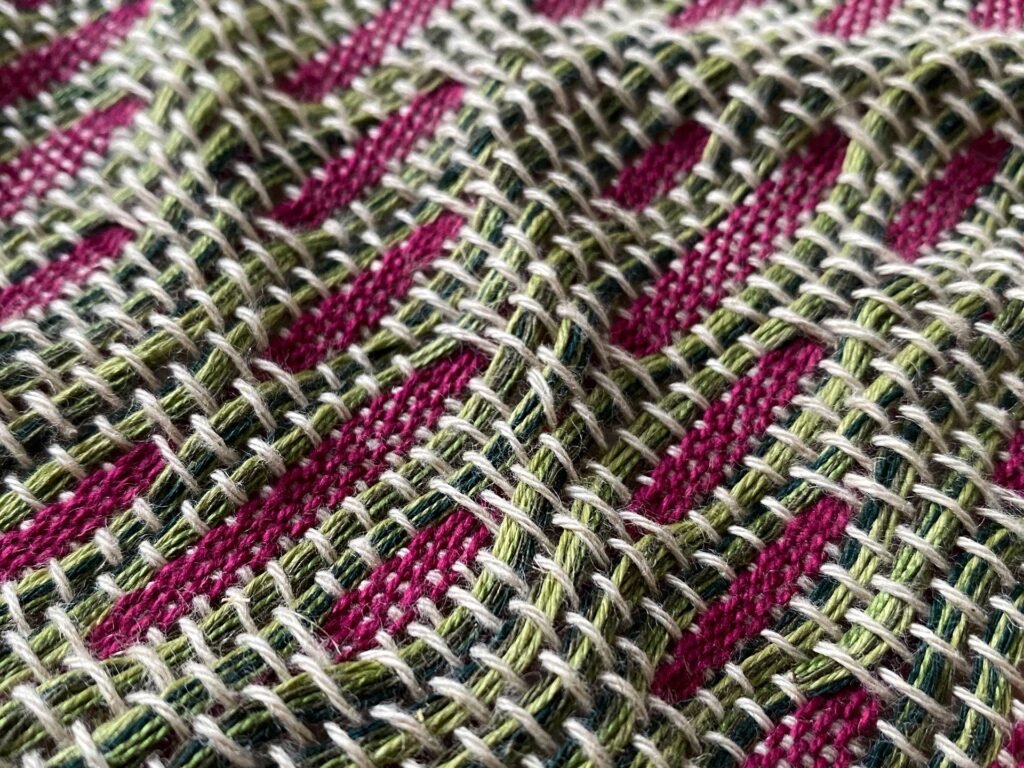
Fibre: natural linen and cotton
Focus: study of movement
Suggested use: home / wall piece
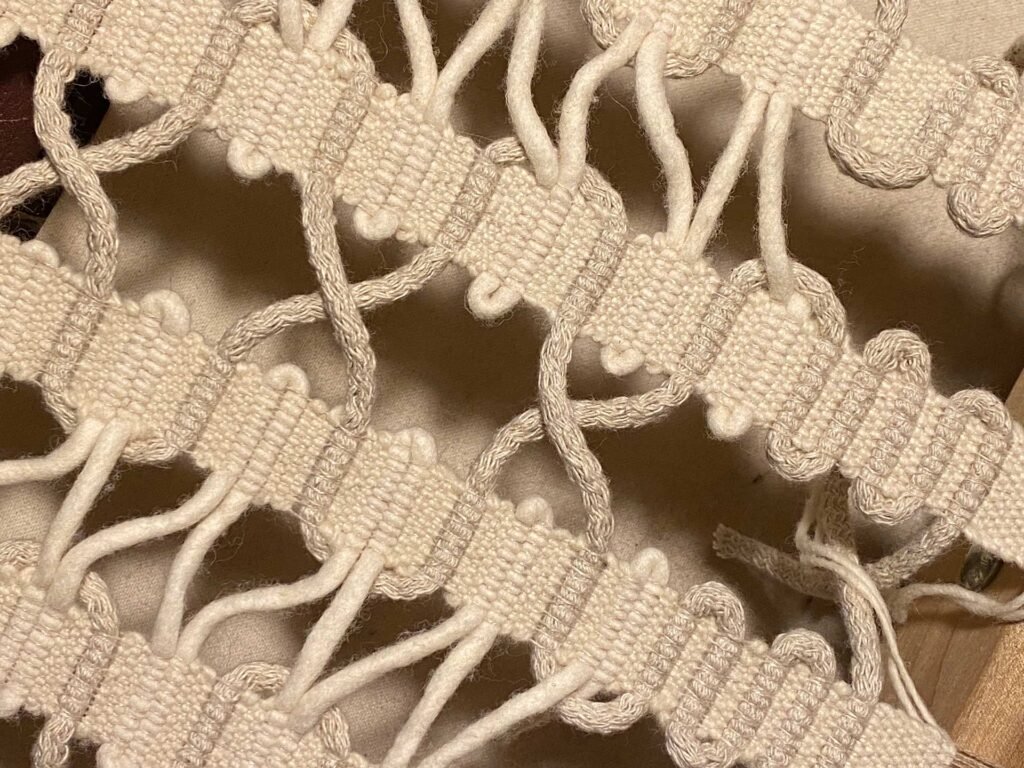
Fibre: natural alpaca
Focus: study of passementerie
Suggested use: home / wall piece
If you are exploring possibilities or comparing structures, this sample collection can help you establish clear criteria. We can also review your project and its intended use with you, and suggest a personalised way forward tailored to your needs. Tell us about your project.
We use first-party and third-party cookies for the operation of the website, statistical measurement and, only with your consent, marketing purposes. You can accept, reject or manage your preferences.