In our workshop, every single fibre we use matters. We work with high-quality natural raw materials, and it is essential to us to use them fully and responsibly, respecting their origin and the work behind every thread. Zero Waste is not a label; it is a way of understanding the craft. It shapes how we design, weave and finish each piece with care. In this way, we avoid unnecessary waste and give new life to leftover fibres that would otherwise be lost.
We have devoted a specific section to this approach, in keeping with our philosophy and the values set out in our manifesto, to explain why we do not want to waste fibres or generate unnecessary waste.
As a workshop with limited, handmade production, we are committed to the definition of sustainable development established in the Brundtland Report: “development that meets the needs of the present without compromising the ability of future generations to meet their own needs”.
All natural fibres require a long process and time before they can become textile fibres suitable for handweaving on a loom. Whether animal, plant-based or recycled, they all undergo careful treatment and transformation specifically adapted to each type of fibre.
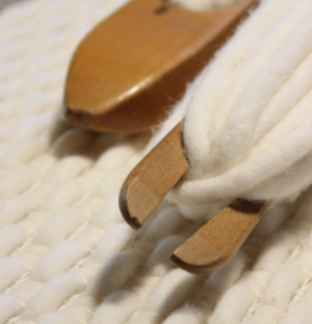
From sowing, in the case of plant fibres, to the proper care of animals, there is an entire process with clearly differentiated stages, including selection, washing, carding, combing, spinning and, for quality fibres, highly specialised dyeing. For us, making full use of them is a way of respecting these treasures and all the work behind them.
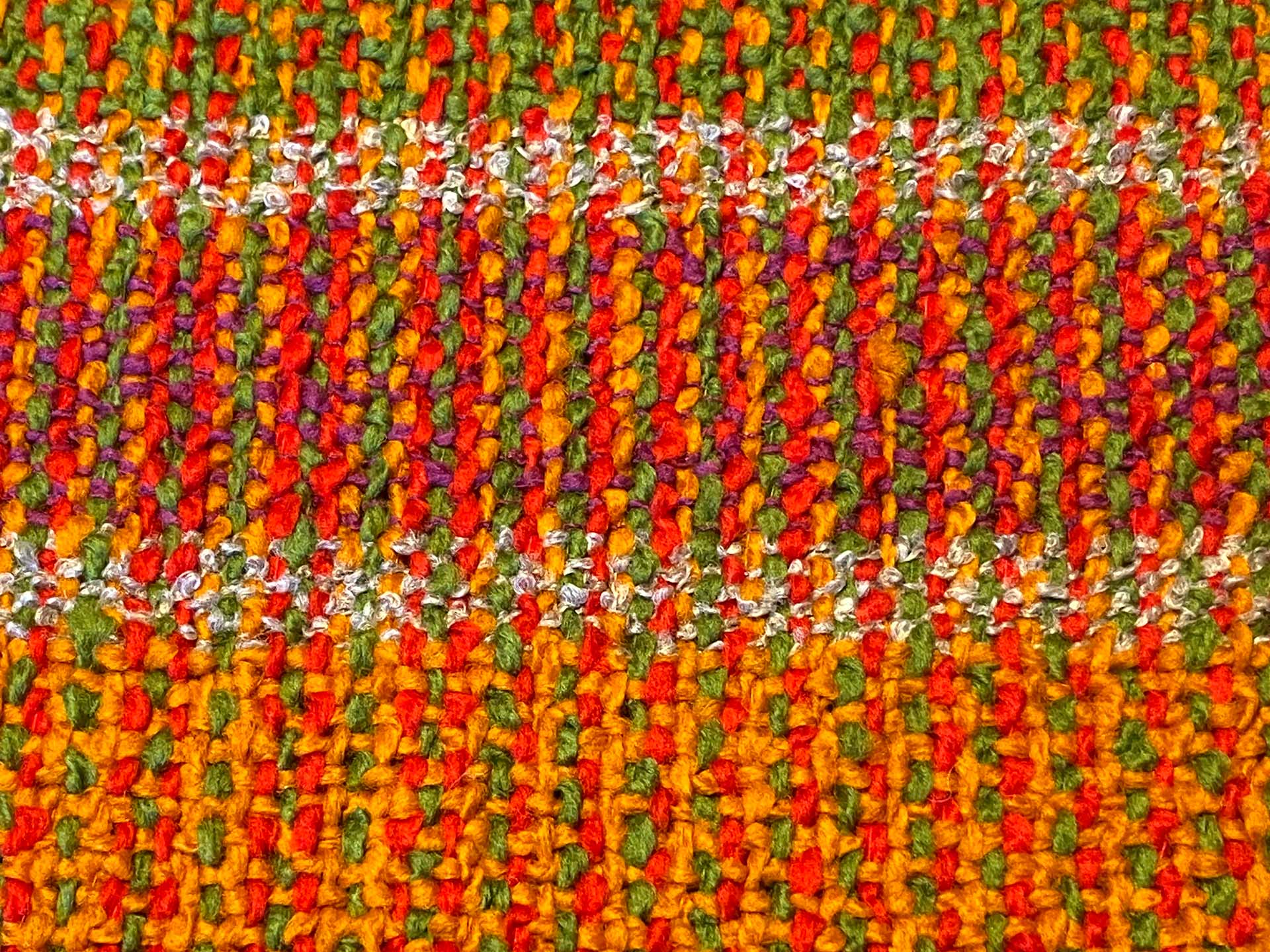
During the design stage, we calculate the quantities of fibre required so that waste is kept to a minimum in both warp and weft. Even so, a small amount is always left over from each warp prepared on the loom, and we reuse it in different ways.
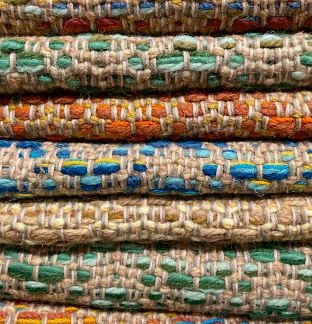
When creating multicoloured pieces, we use leftover weft fibres to produce one-of-a-kind textiles with spontaneous, unrepeatable colour combinations.
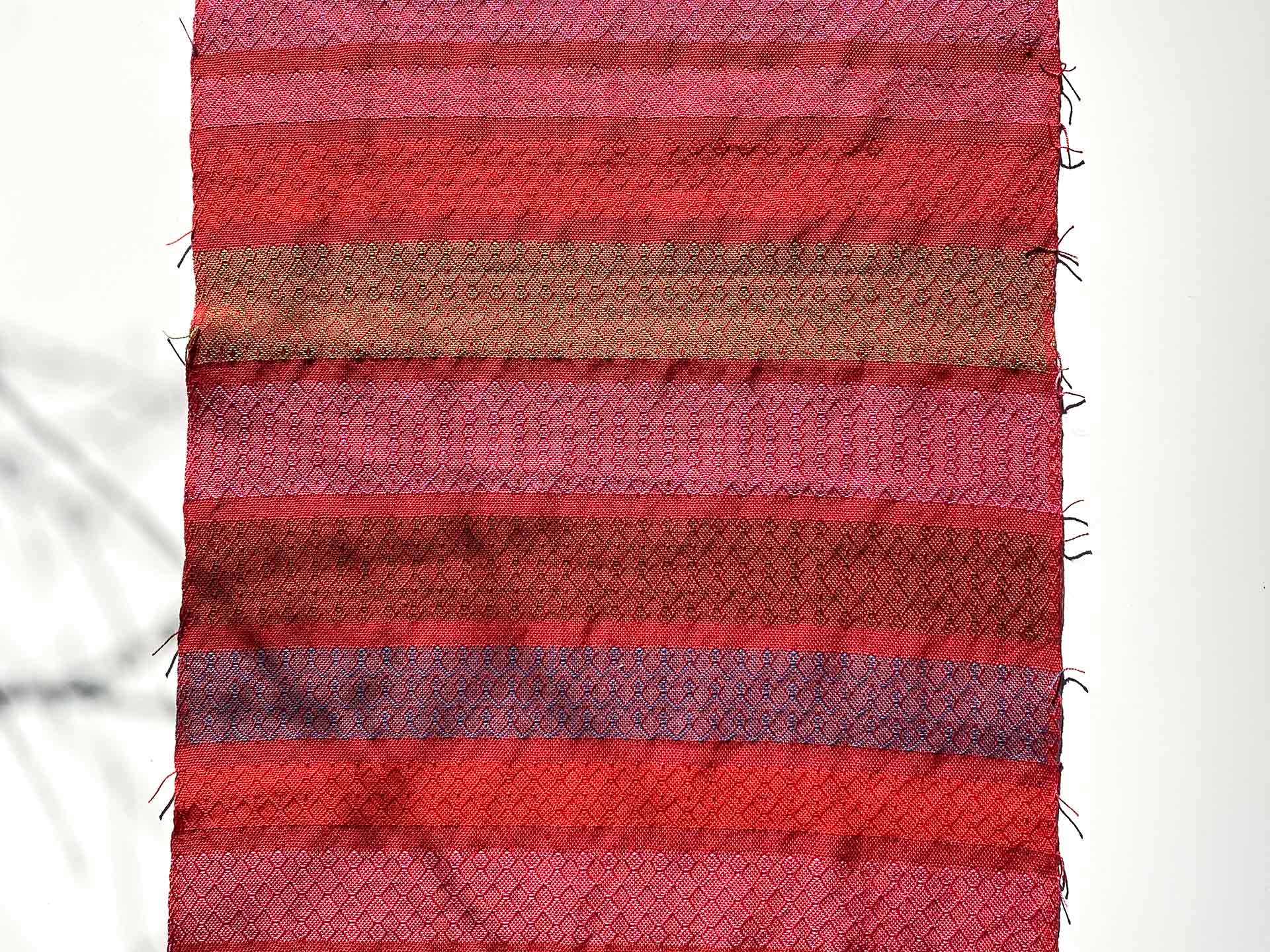
We create lengths of fabric using leftover weft fibres, which are then made into finished pieces.
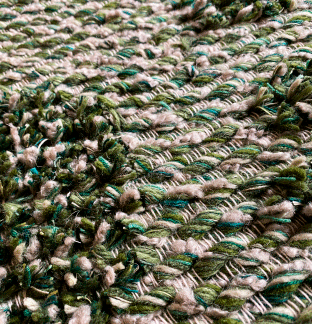
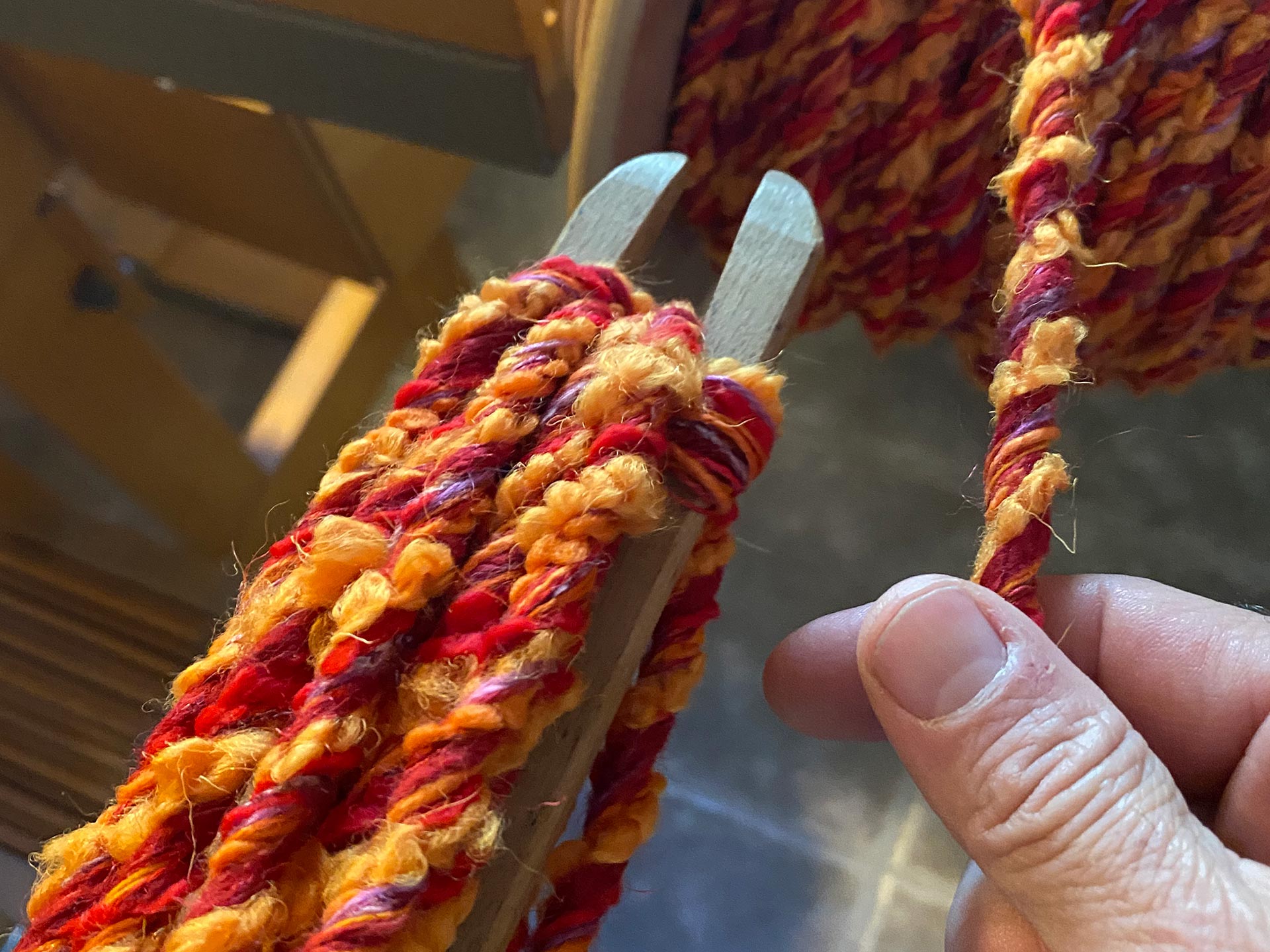
We create irregular art yarns to use as weft details in distinctive, textured pieces for different purposes.
When the remnants are too small to be used in any of the other ways mentioned, we use them as filling.
Through this way of understanding textile design and every aspect of our craft, we ensure that fibre waste is reduced as far as possible, bringing it down to zero.
At the same time, we remain consistent with our philosophy and values and with conscious, responsible consumption, creating pieces through a fully respectful process.
Under the regulations of the Natural Park where we are located, handweaving is considered an environmentally harmless activity. It produces no waste affecting the air, water or land.
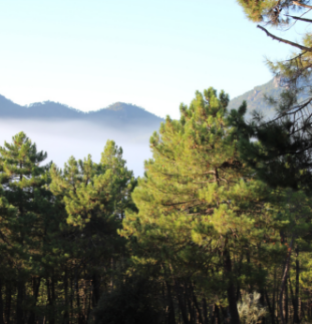
We practise this craft consistently and responsibly, respecting the surrounding environment and biodiversity without harming the Cazorla, Segura y Las Villas Natural Park.
We use first-party and third-party cookies for the operation of the website, statistical measurement and, only with your consent, marketing purposes. You can accept, reject or manage your preferences.